There is a particular quality to winter light in the mountains — thin, crystalline, almost brittle — that makes every shadow deeper and every highlight sharper. I had come to the Dolomites in January specifically for this light, and on my first morning in Cortina d'Ampezzo, stepping outside the hotel at six in the morning, the cold hit me like a wall. Minus eighteen degrees. My camera batteries would last twenty minutes at best.
But the sky was clear, and the peaks of the Tofane group were already catching the first pre-dawn blush — a faint pink that crept down the rock faces like watercolour on wet paper. I had four spare batteries in my inside pocket, warmed by body heat. It would have to be enough.
Before Sunrise
The drive to Lago di Braies took forty minutes on icy roads, the car's headlights cutting through frozen fog that hung in the valleys like cotton wool. I arrived to find the lake completely frozen — a perfect white expanse framed by dark forest and the pale towers of Croda del Becco above. The wooden boathouse, famous from a thousand Instagram posts, sat locked and alone on the ice, its reflection visible in the few patches of polished surface.

When the sun finally broke over the ridge, it happened fast. One moment the world was blue and grey, the next it was ablaze — the snow turned from white to gold, the rock faces ignited in shades of apricot and coral, and the shadows contracted like startled animals. I shot thirty frames in two minutes, hands shaking from cold and adrenaline.
Tre Cime
The Tre Cime di Lavaredo are the Dolomites' most recognisable peaks — three massive towers of pale dolomite rock that rise from the plateau like the teeth of some buried giant. In summer, thousands of hikers walk the circuit. In January, I had the trail to myself, though "trail" is generous — it was a snowshoe track packed by a handful of winter mountaineers.

The silence up there was extraordinary. Not the absence of sound — you could hear the creak of snow compacting under your boots, the occasional crack of ice shifting in the distance, the thin whistle of wind across the plateau — but a silence of human noise. No engines, no voices, no music. Just the mountain doing what mountains do.
In the depth of winter, I finally learned that within me there lay an invincible summer.
— Albert Camus
The Frozen Lake
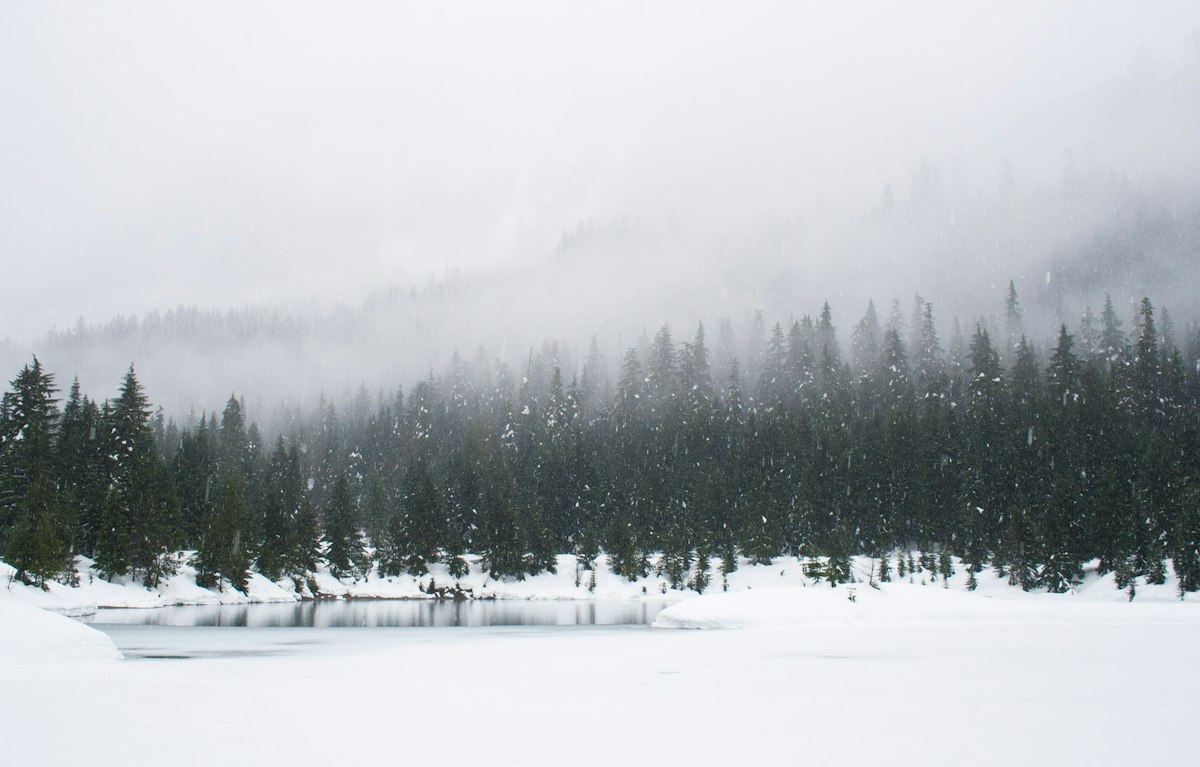
I returned to Lago di Braies in the late afternoon, when the light was low and warm. The frozen surface had a quality I had never seen before — in places it was opaque white, in others perfectly transparent, and you could see the dark water beneath like looking through smoky glass. Cracks radiated outward in geometric patterns, each one a record of the forces acting on the ice.

I lay on the ice to photograph the crack patterns with a macro lens, and for a few minutes I forgot the cold entirely. There's a meditative quality to close-up photography — the world shrinks to the size of your viewfinder, and everything else falls away. When I finally stood up, I noticed my jacket was frozen to the surface and had to be peeled off like a sticker.
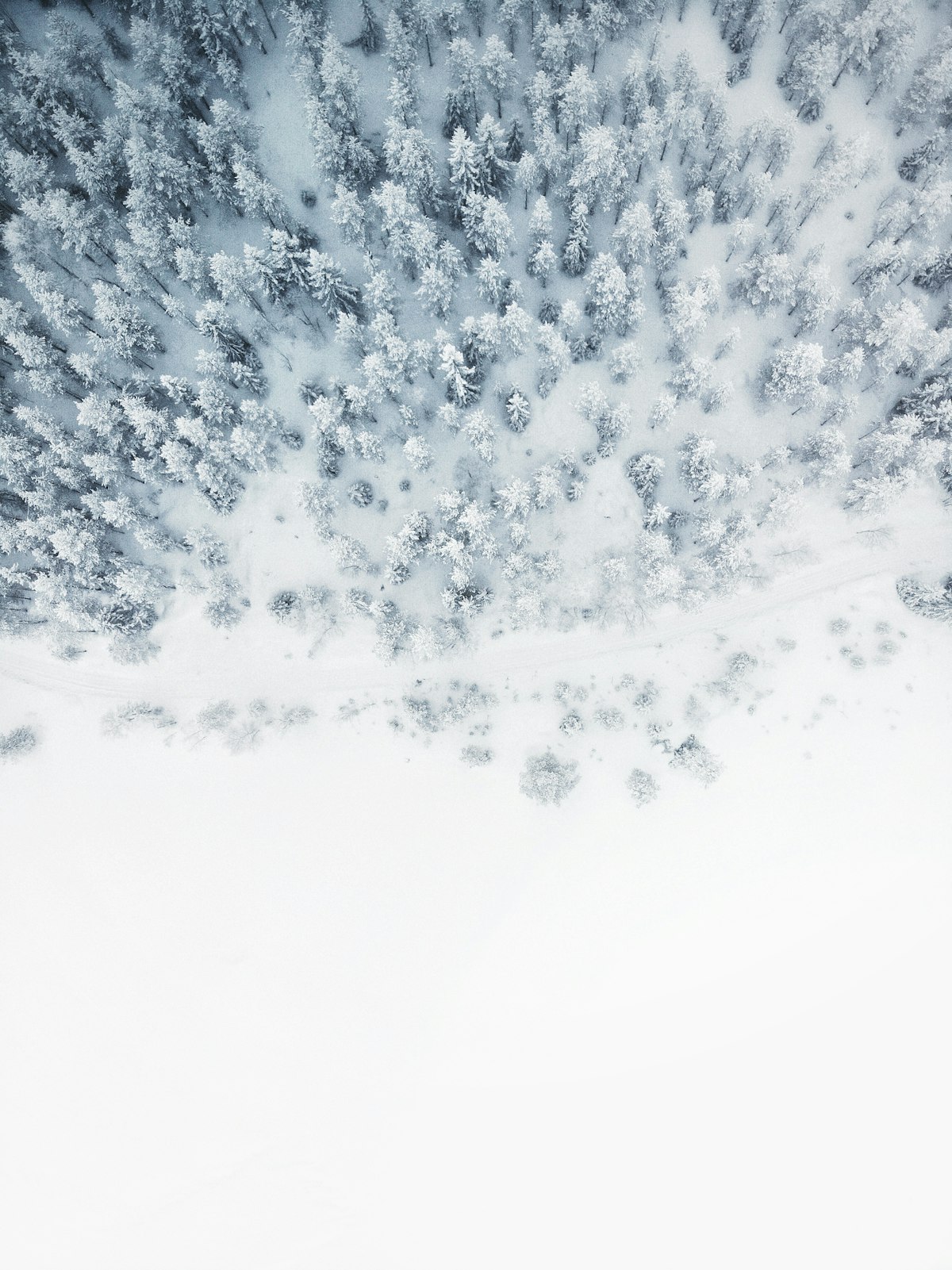
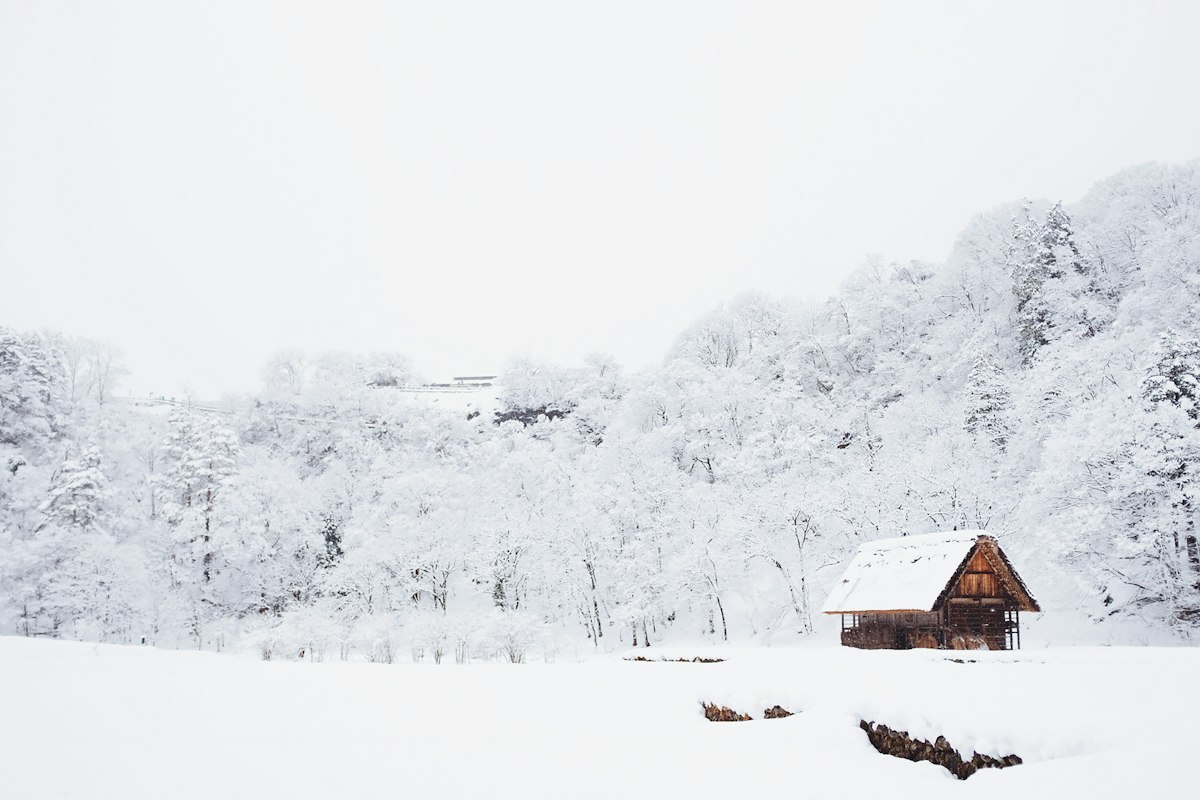
The small villages of the Val di Funes and Val Gardena are scattered through the valleys like dropped dice. Each one has a church with an onion dome, a handful of hotels with balconies draped in drying ski gear, and at least one bar where old men play cards and argue about football. They are the warmest places in the coldest landscape I've ever photographed.


Technical Notes
Leaving the Cold
On my last night I ate dinner at a rifugio high above Cortina — pumpkin ravioli and a glass of local red wine, sitting beside a wood-burning stove while snow fell silently outside the windows. The owner, a weathered man in his sixties, showed me photographs from his father's time running the same hut. The mountains were the same. The light was the same. Only the skis had changed.
Winter in the Dolomites is not comfortable. Your fingers ache, your batteries die, the roads are treacherous, and the cold finds every gap in your clothing. But the light — that thin, crystalline, almost brittle light — is worth every frozen moment. It is the kind of light that makes you feel like you are seeing the world for the first time.
This is demo content generated for development and testing purposes. All photographs are from Unsplash and used under the Unsplash License. The story text and author profile are fictional.