The Algarve coastline stretches for miles of golden sandstone cliffs and hidden coves, each one more beautiful than the last. I arrived in Lagos on a Tuesday in October, when the summer crowds had thinned and the Atlantic was showing its wilder face — grey-green swells rolling in from the open ocean, breaking against rock formations that looked like the ruins of some ancient cathedral.
I had rented a small car and packed it with camera gear, a wetsuit I'd never used, and a handwritten list of beaches that a Portuguese friend had scrawled on a napkin in a London pub. "You'll know them when you see them," he'd said. He was right.
Dawn Patrol
The first morning I woke at five and drove to Praia da Marinha in darkness. The sky was a deep indigo, the kind that photographs poorly but lives vividly in memory. I set up my tripod at the cliff edge and waited. When the sun finally crested the horizon, it painted the sandstone pillars in shades of amber and burnt sienna that no screen could faithfully reproduce.

The cliffs here are not static things. They are alive with erosion, constantly reshaping themselves — arches collapsing into sea stacks, caves widening into grottos. A local fisherman told me that the beach he swam at as a boy no longer exists. The ocean simply took it back.
The Cliffs of Sagres
Sagres sits at the southwestern tip of Europe, a windswept fortress of rock where Henry the Navigator once planned voyages into the unknown. Standing at Cabo de São Vicente, you feel the full weight of the Atlantic — not just visually but physically. The wind is relentless, a constant pressure that makes you lean into it like a sailor on deck.

I spent two hours photographing the lighthouse at sunset, watching the light shift from warm gold to deep orange to the final purple bruise of dusk. Seabirds wheeled below me, riding thermals off the cliff face. The scale of it — the height of the cliffs, the breadth of the ocean — made my 24mm lens feel hopelessly narrow.
The sea, once it casts its spell, holds one in its net of wonder forever.
— Jacques Cousteau
Ericeira's Rhythm
From the Algarve I drove north to Ericeira, a small fishing town that has become one of Europe's surfing capitals. The town is painted in blue and white, every corner a postcard, every café serving pastel de nata alongside espresso so strong it could strip paint. The surf culture here is unpretentious — families on bodyboards mix with professionals training for competitions.

I tried surfing on the third day. It did not go well. What looks graceful from the beach is, in practice, a humbling exercise in being thrown around by water. But floating on my board between sets, watching the town shimmer in the heat haze, I understood why people build their lives around this. The ocean is the ultimate editor — it strips away everything unnecessary and leaves you with just the moment.
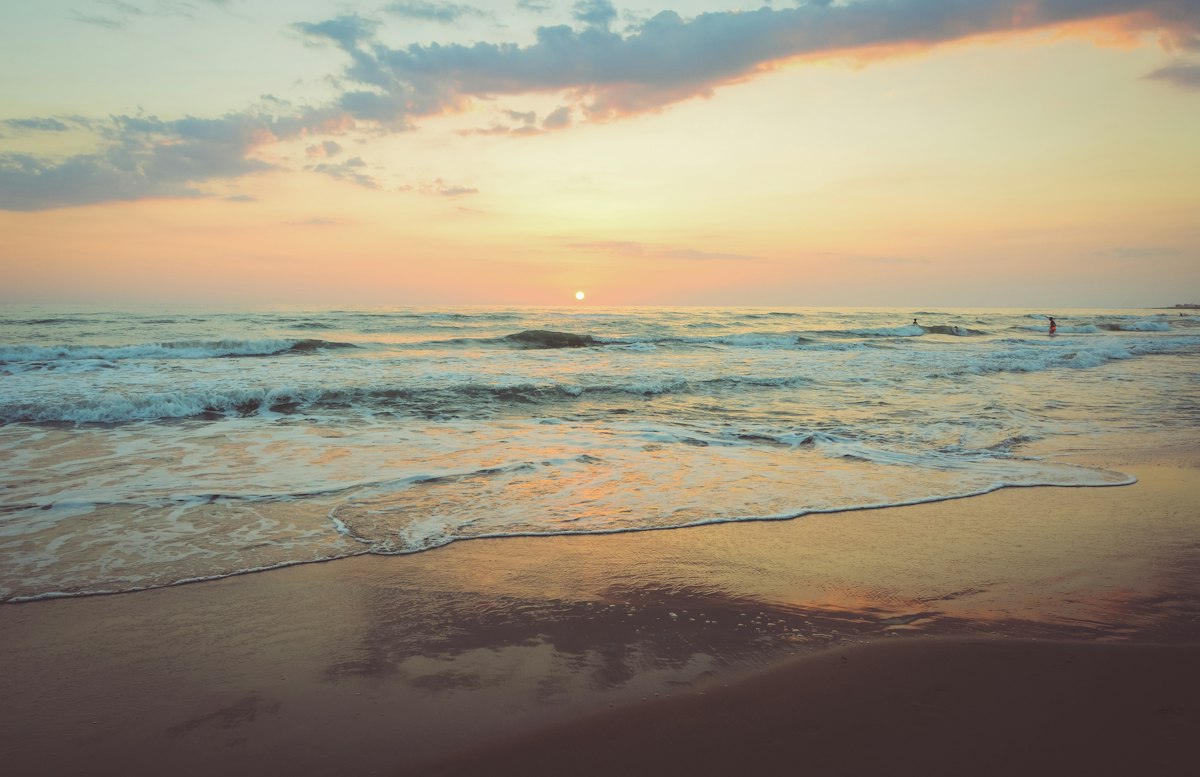
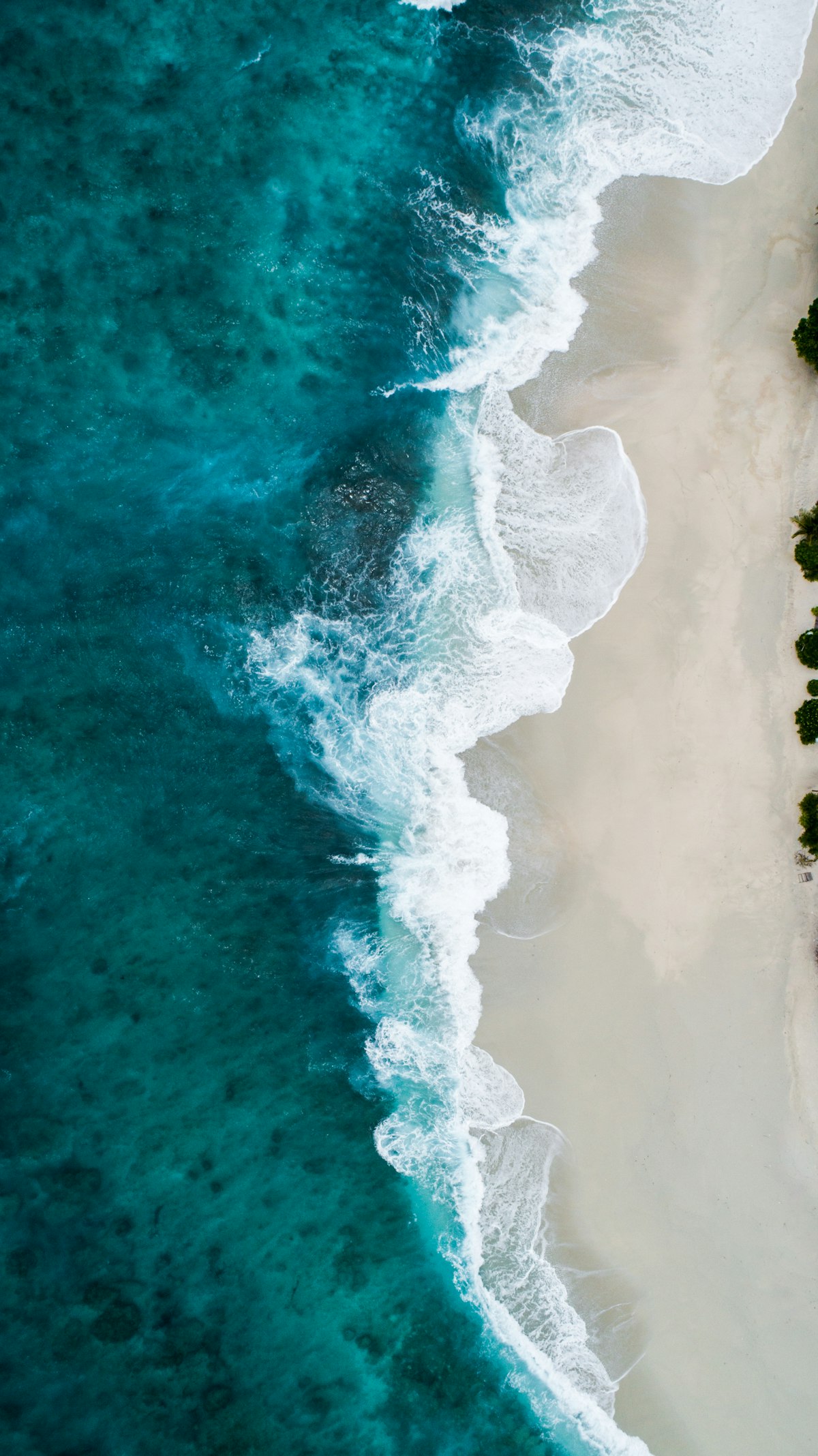
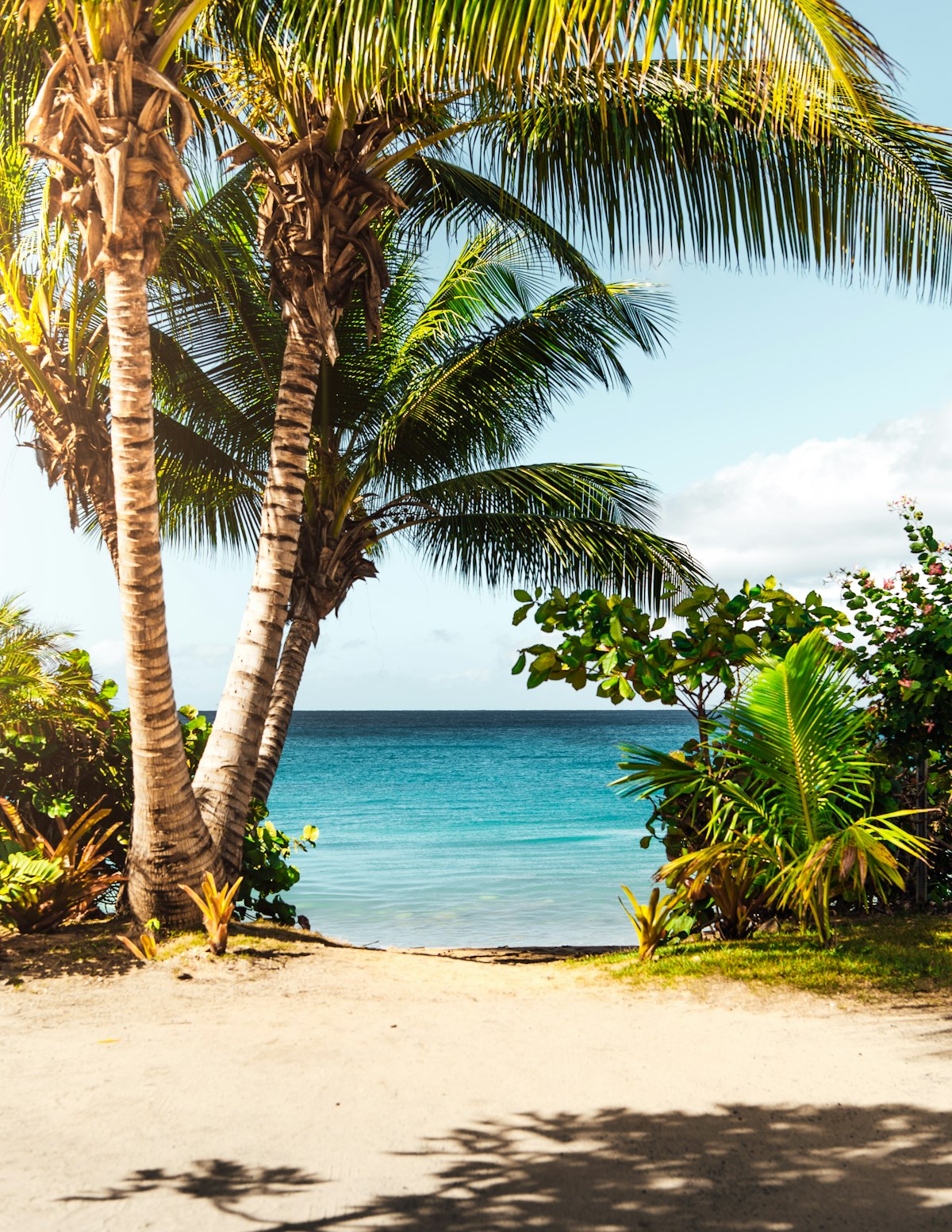
The best photographs came in the spaces between planned shots — the fisherman mending nets at the harbour, a group of teenagers doing backflips off the sea wall, the way the light hit a row of painted houses at exactly the right angle. Portugal rewards the photographer who is willing to wander without a destination.

Technical Notes
The Last Wave
On my last evening I sat on the harbour wall in Ericeira, eating grilled sardines and drinking a glass of vinho verde, watching the fishing boats return with the day's catch. The light was doing that thing it does in southern Europe — turning everything to honey. A local musician set up with a Portuguese guitar and played fado, the melancholic music that is somehow the most Portuguese thing of all.
Portugal is not a country you visit once. It gets into your skin — the salt air, the tilework, the coffee, the unhurried pace — and it calls you back. My napkin list still has beaches I haven't seen. I'll need a longer trip next time.
This is demo content generated for development and testing purposes. All photographs are from Unsplash and used under the Unsplash License. The story text and author profile are fictional.